
SUV vs Minivan for Moving House: Which Is Better?
If you're planning a DIY house move and debating between an SUV and a minivan, the answer isn't as simple as "bigger is better." Both have real advantages — and real limitations. Here's how they actually compare.
13 min read
The Core Difference
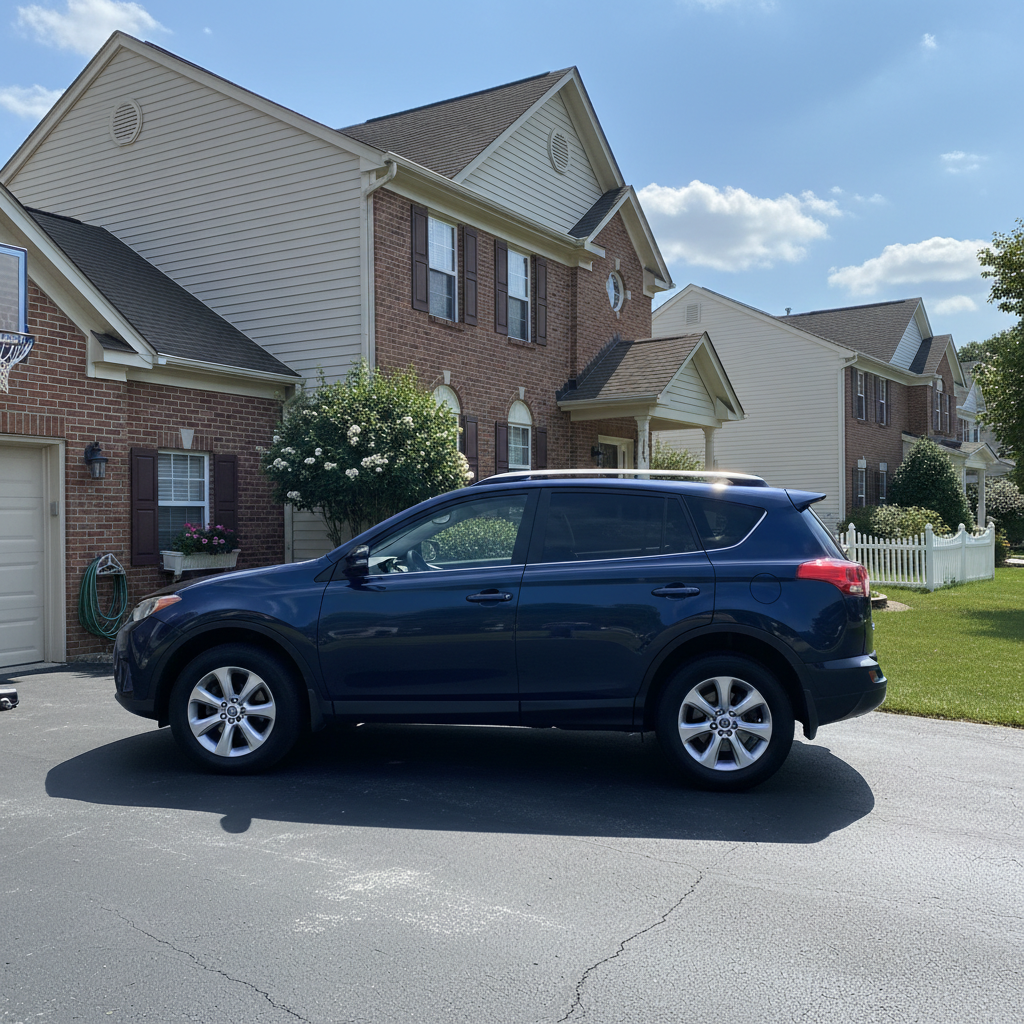
A modern mid-size SUV like a Toyota RAV4 or Kia Sportage has roughly 580–600L (20–21 cu ft) of boot space with seats up, expanding to 1,600–1,900L (57–67 cu ft) with rear seats folded. That's a significant amount — but a minivan like a Toyota Tarago or Kia Carnival, with all rear seats removed, can offer 3,000–4,500L (106–159 cu ft) of completely flat cargo space.
The minivan's advantage isn't just volume — it's interior height. Most minivans have a standing (or near-standing) interior, which means items like bicycles, lamps, and oddly shaped furniture fit vertically rather than having to be laid flat. This transforms what you can carry.
Side-by-Side Comparison
How SUVs and minivans stack up across the metrics that matter for moving:
| Category | SUV | Minivan |
|---|---|---|
| Boot Volume (seats up) | 400–600L / 14–21 cu ft (mid-size) | ✓1,000–1,500L / 35–53 cu ft (rear seats removed) |
| Boot Volume (all seats down/removed) | 1,200–2,000L (42–71 cu ft) | ✓3,000–4,500L (106–159 cu ft) |
| Interior Height | ~900mm (35in) | ✓~1,200–1,400mm (47–55in) |
| Load Floor Width | ~1,000–1,150mm (39–45in) | ✓~1,300–1,550mm (51–61in) |
| Daily Drivability | ✓Excellent — easy to park, park anywhere | Challenging — tight parking, wide turning circle |
| Fuel Economy | ✓7–11L/100km (21–34 mpg) typical | 10–14L/100km (17–24 mpg) typical |
| Passenger Capacity | 5–7 seats (3rd row in larger models) | ✓7–8 seats standard configuration |
| Cost (private) | More common; wider price range | Less common second-hand; can be cheaper |
When an SUV is the Better Choice
Moving a 1-bedroom apartment or studio
For smaller moves, an SUV with seats down is often sufficient in 2–3 trips. The convenience of everyday driving makes it worth the extra trip.
Mixed use during the move
If you need to move people and furniture simultaneously — like transporting family members alongside boxes — an SUV lets you carry passengers without removing seats.
You already own or have access to an SUV
If you're not hiring a separate vehicle, using your SUV avoids the cost and logistics of hiring a minivan. For a one-bedroom move, this often makes more sense.
Navigating tight urban streets
SUVs are considerably easier to manoeuvre in narrow streets, tight parking spots, and underground car parks — common obstacles during apartment moves.
When a Minivan is the Better Choice
Moving a 2–3 bedroom home in fewer trips
The minivan's massive cargo volume means dramatically fewer trips. For a 2-bedroom house, a large minivan with seats removed can often do what takes 5–6 SUV trips in 2–3 trips.
Moving tall or awkward items
Bicycles, tall lamps, kayaks, and other items that won't lie flat are far easier in a minivan's tall interior. You can often stand them upright rather than disassembling them.
Access from the side and rear
Minivans typically have large sliding side doors in addition to rear doors, making it far easier to load heavy items at awkward angles — no more squeezing a washing machine through the rear opening.
Helping others move
If you're using a hired vehicle for a helping-others-move weekend, a minivan or people mover gives you maximum flexibility for whatever they throw at you.
The Hybrid Approach: Use Both
For a typical 2-bedroom Australian house move, the most efficient approach isn't choosing one or the other — it's using both strategically:
- Hire a minivan or people mover for one day to handle the large, heavy items: bed frames, sofas, white goods (or book a removalist just for the big items).
- Use your SUV for the remaining trips — all the boxes, clothing, kitchen items, and smaller furniture fill up a couple of SUV loads easily.
- This approach typically cuts total move time by 30–40% compared to doing it all in an SUV, and is far cheaper than a full removalist service.
What About a Hire Van?
If you're considering hiring a vehicle specifically for your move, a dedicated cargo van (Toyota HiAce, Mercedes Sprinter) is often a better choice than a minivan for serious loads. Cargo vans offer:
- More cubic volume than even large people movers
- Completely flat load floors without seat-removal faff
- Tie-down rails along the walls for securing loads
- Similar daily hire rates to minivans ($100–$180/day depending on provider)
Stowey's moving house calculator includes van dimensions so you can plan exactly how many trips you'll need before you commit to a hire vehicle.
Plan Your Move Before Moving Day
Use stowey's moving house tool to enter all your furniture and boxes, compare how many trips your SUV needs vs a hired van, and get step-by-step loading instructions.
Moving House Calculator