Vehicle Guide
Choosing Your Ride
How different vehicle types affect cargo capacity — and which one suits your haul.
14 min read
Not all cars are created equal when it comes to cargo. A hatchback with its rear seats folded can outperform a large sedan, while a station wagon often beats an SUV for raw load length. Understanding how vehicle type affects your packing options is the first step to never making a wasted trip.
Below we break down the six most common vehicle types, their real-world cargo capacity, and the specific loading strategies that work best for each.
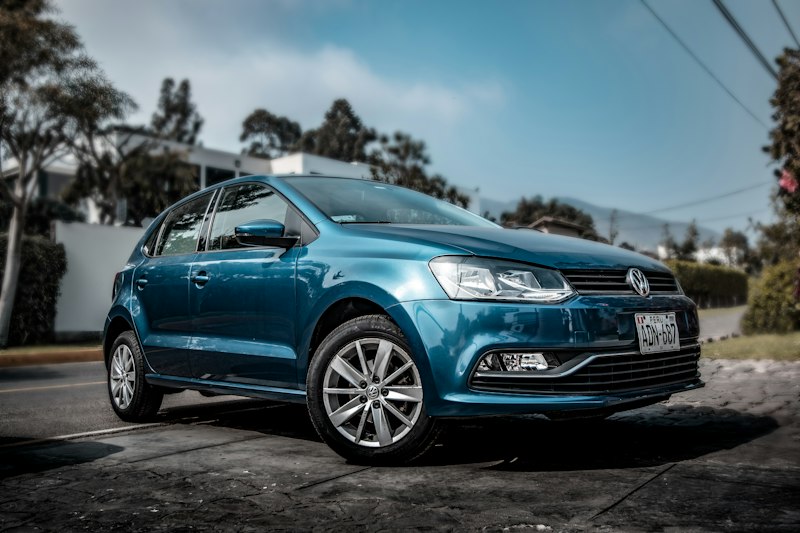
Hatchback
Boot: 270–380L (10–13 cu ft)Seats folded: 900–1,200L (32–42 cu ft)
Pros
- ✓ Easy to park
- ✓ Good fuel economy
- ✓ Surprisingly practical boot
Cons
- ✗ Limited height for tall items
- ✗ Can't tow heavy loads
Best for: Small IKEA runs, grocery hauls, city living
💡 Pro tip: Fold the rear seats to carry flat-pack furniture. Most hatchbacks can fit a 2.4m (8ft) shelf lying flat.
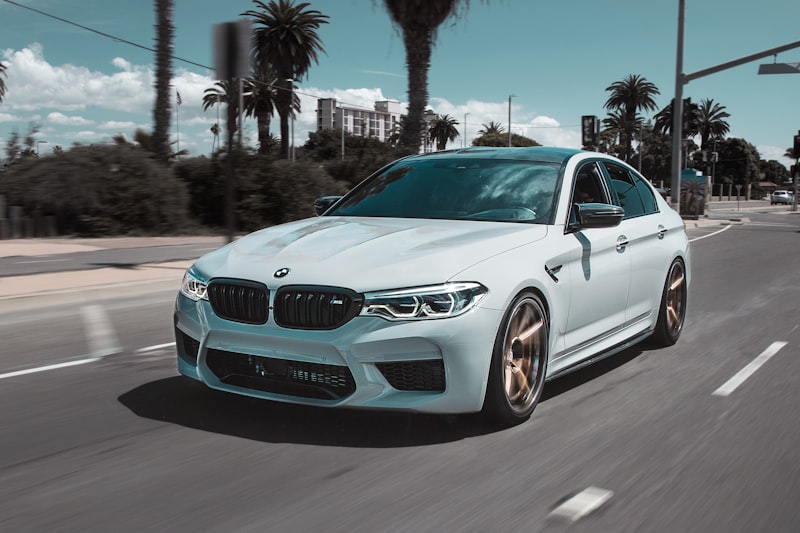
Sedan
Boot: 350–500L (12–18 cu ft)Seats folded: Limited (fixed rear seat)
Pros
- ✓ Large boot volume
- ✓ Low load height
- ✓ Comfortable for long trips
Cons
- ✗ Separate boot limits item length
- ✗ Can't usually fold rear seats flat
Best for: Luggage, appliances, boxed goods
💡 Pro tip: Use the boot to its full depth. Sedans often have deeper boots than hatchbacks, but width matters more than height.
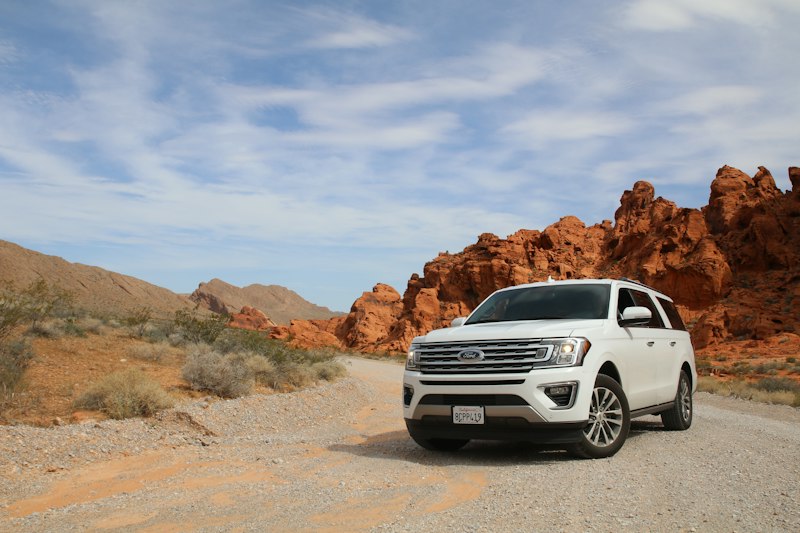
SUV / Crossover
Boot: 400–600L (14–21 cu ft)Seats folded: 1,200–1,800L (42–64 cu ft)
Pros
- ✓ High roof = tall items fit
- ✓ Flat floor when seats folded
- ✓ Great for moving furniture
Cons
- ✗ Higher load height to lift over
- ✗ Fuel costs more
Best for: Moving house, large furniture, camping gear
💡 Pro tip: An SUV with seats down is one of the most versatile cargo vehicles. Perfect for a Bunnings or IKEA run.
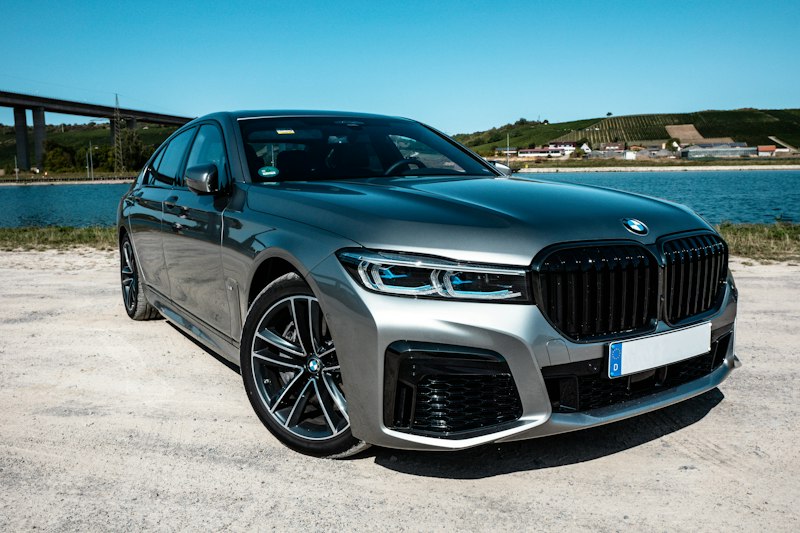
Station Wagon / Estate
Boot: 500–700L (18–25 cu ft)Seats folded: 1,500–2,000L (53–71 cu ft)
Pros
- ✓ Long, flat load floor
- ✓ Lower than an SUV — easier to load
- ✓ Huge capacity with seats folded
Cons
- ✗ Less common on the road
- ✗ Height still limited vs van
Best for: Long items like timber, bikes, flat-pack everything
💡 Pro tip: Wagons often beat SUVs for cargo length. Ideal if you frequently carry ladders, boards, or flat-pack furniture.
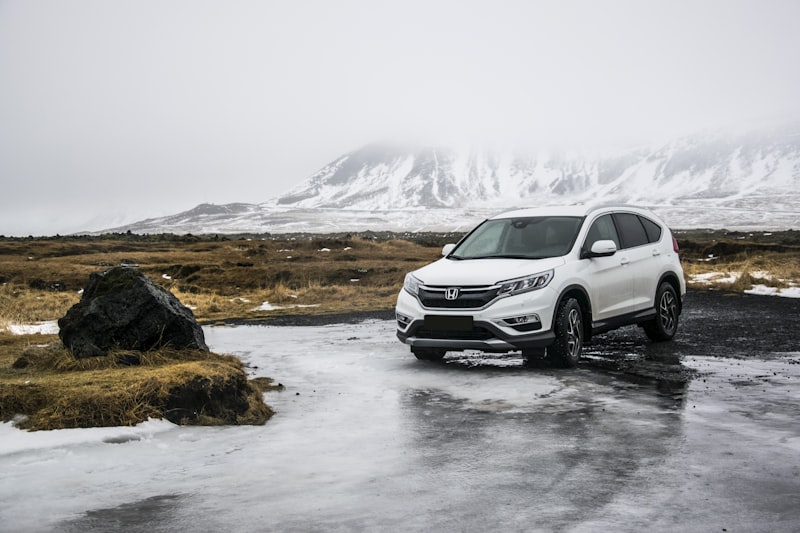
Minivan / People Mover
Boot: 1,000–2,000L+ (35–71 cu ft)Seats folded: Up to 4,000L (141 cu ft)
Pros
- ✓ Enormous cargo space
- ✓ Tall and wide interior
- ✓ Multiple seat configurations
Cons
- ✗ Hard to park
- ✗ Poor fuel economy
- ✗ Overkill for small loads
Best for: Full house moves, large appliances, band gear
💡 Pro tip: If you're moving house, a 7-seat people mover with all rear seats removed rivals a small removalist van.
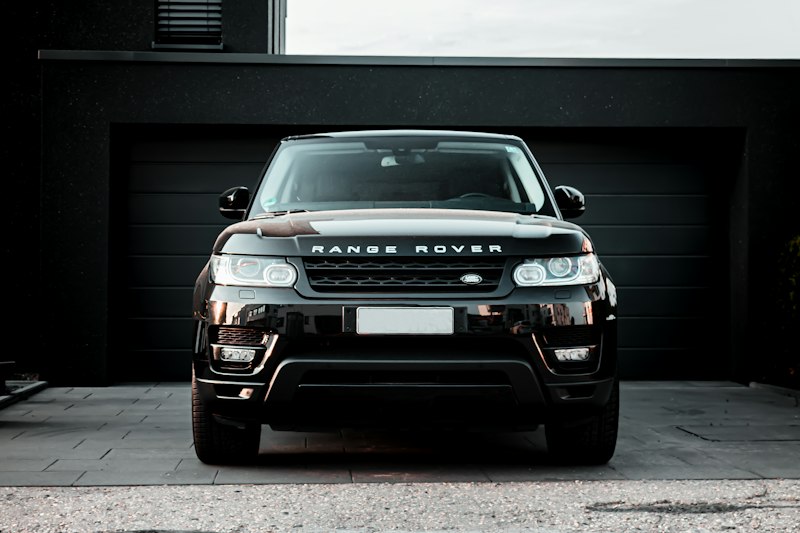
Ute / Pickup Truck
Boot: 1,000–1,500L (35–53 cu ft, tray)Seats folded: Tray only
Pros
- ✓ Open tray = no height limit
- ✓ Great for timber, soil, large awkward items
- ✓ Can tow trailers
Cons
- ✗ Items exposed to weather
- ✗ Need to tie everything down
- ✗ Cab is separate from tray
Best for: Building materials, landscaping, towing
💡 Pro tip: Always use tie-down straps on a ute tray. Wind at highway speed will shift unsecured loads dangerously.
Quick Comparison
| Vehicle | Boot (seats up) | Boot (seats down) | Best use case |
|---|---|---|---|
| Hatchback | 270–380L (10–13 cu ft) | 900–1,200L (32–42 cu ft) | Small IKEA runs, grocery hauls, city living |
| Sedan | 350–500L (12–18 cu ft) | Limited (fixed rear seat) | Luggage, appliances, boxed goods |
| SUV / Crossover | 400–600L (14–21 cu ft) | 1,200–1,800L (42–64 cu ft) | Moving house, large furniture, camping gear |
| Station Wagon / Estate | 500–700L (18–25 cu ft) | 1,500–2,000L (53–71 cu ft) | Long items like timber, bikes, flat-pack everything |
| Minivan / People Mover | 1,000–2,000L+ (35–71 cu ft) | Up to 4,000L (141 cu ft) | Full house moves, large appliances, band gear |
| Ute / Pickup Truck | 1,000–1,500L (35–53 cu ft, tray) | Tray only | Building materials, landscaping, towing |
Ready to check what fits?
Use stowey's packing calculator to see exactly what fits in your vehicle.