
Moving House? Your Complete Car-Loading Checklist
Moving house is consistently ranked among life's most stressful events. With the right plan — especially for loading your vehicle efficiently — you can cut the chaos significantly.
The Case for DIY Moving
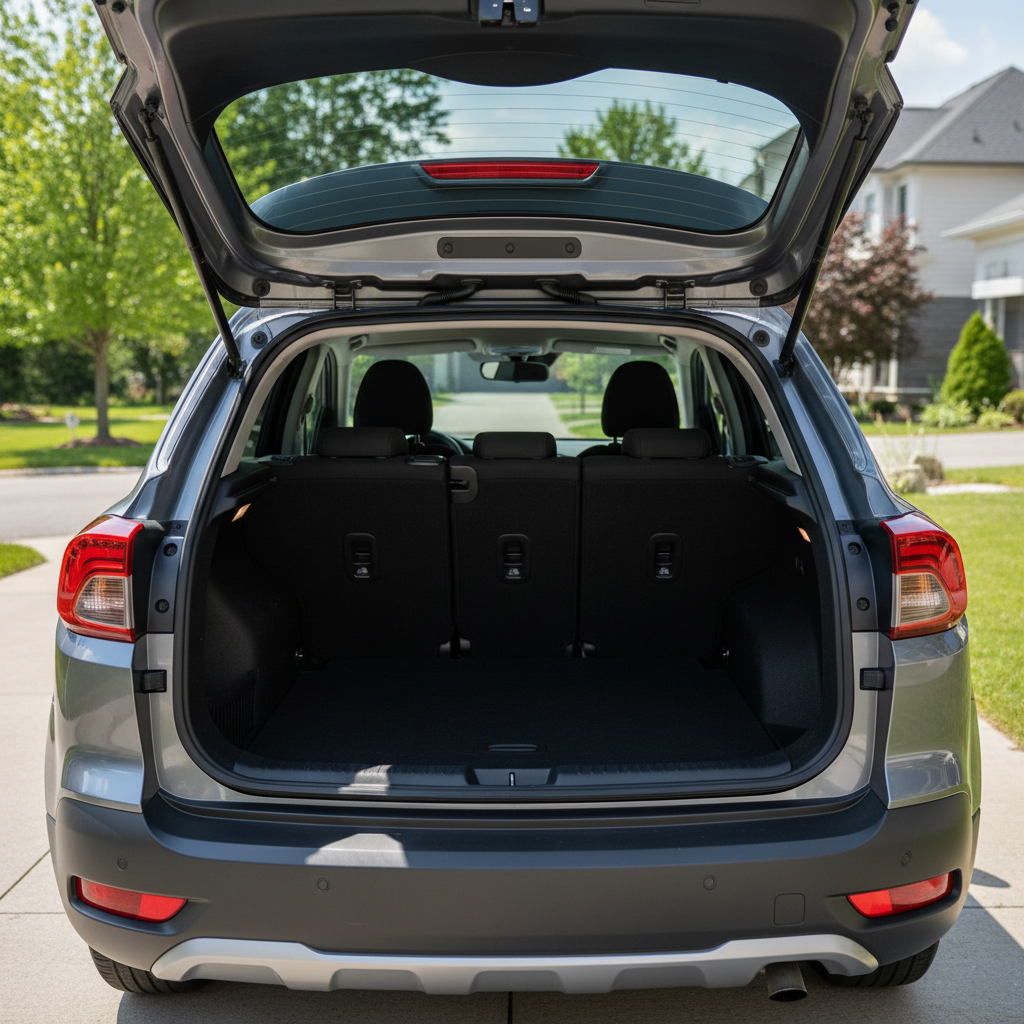
Professional removalists are excellent — but not always necessary or affordable. For a one-bedroom or two-bedroom home with relatively modest furniture, a well-planned DIY move using your own car (plus a hired van for the larger pieces) can save $500–$2,000 compared to a full removalist service in Australia.
The key is knowing what your car can handle and what needs professional transport. Stowey helps you make that call clearly — you can check exactly which items fit in your car and plan your trips accordingly, rather than guessing and making three unnecessary return journeys.
What to Move Yourself vs. What to Hire For
As a general rule:
Great for your car
- • Clothing and soft bags
- • Books and documents
- • Small appliances
- • Flat-pack furniture boxes
- • Breakables (packed carefully)
- • Kitchen items in boxes
Hire a van or get help for
- • Beds and mattresses
- • Sofas and armchairs
- • Fridges and washing machines
- • Dining tables and wardrobes
- • Outdoor furniture and BBQs
- • Anything over 2 metres (6ft 7in) long
Packing Your Car for a Move: The Strategy
Moving house is different to a normal shopping run — you're likely making multiple trips, items won't be in store packaging, and you need to maintain access to essentials throughout the day. Here's how to approach it:
Trip 1 — Valuables and documents. Your first car load should always carry anything irreplaceable: passports, hard drives, jewellery, family photos, and medications. These should be in a bag that stays with you throughout moving day — not transferred to a removalist van.
Mid-move trips — Dense, non-fragile items. Books, kitchen goods, tools, and clothing are ideal for car trips because they're dense (high value per cubic centimetre of space), relatively robust, and easy to load and unload.
Final trip — Essentials for night one. Your last car load should contain everything you'll need for the first 12 hours: bedding, a change of clothes, toiletries, your laptop, chargers, a kettle, and food for dinner. Set this aside first so it doesn't accidentally get packed into a box.
Protecting Fragile Items During a Move
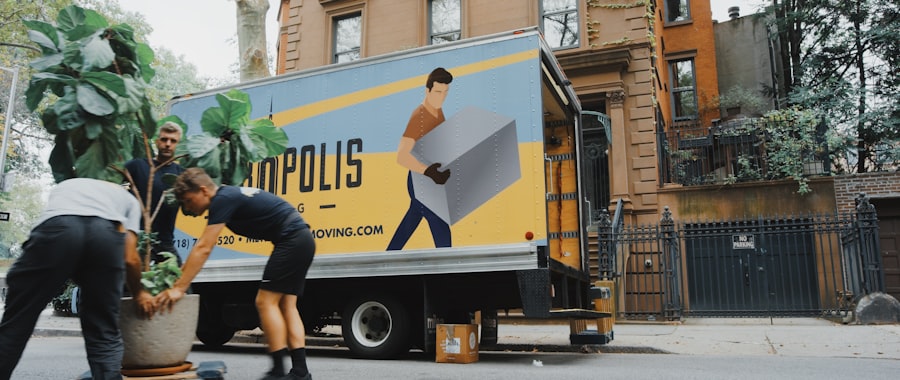
Moving breakages are almost entirely preventable with the right materials and approach. You don't need to buy expensive specialist packaging — most is available cheaply or free:
- Use clothing as padding. T-shirts, towels, and jumpers are excellent shock absorbers. Wrap plates individually in clothing before boxing them — it protects the items and packs your clothing at the same time.
- Never leave air gaps in boxes. A box that rattles has room for things to move and break. Fill every gap with newspaper, towels, or scrunched paper.
- Label fragile boxes clearly and load them last. Fragile items should be on top of the load and be the first thing unloaded at the destination.
- Transport glasses and cups upright. It seems counterintuitive, but glasses are structurally stronger standing rim-up than lying on their side.
Your Moving Checklist
Use this timeline to stay on track across your whole move:
Two Weeks Before
- Declutter ruthlessly — sell, donate, or discard anything you don't love or use
- Source moving boxes, packing tape, bubble wrap, and blankets
- Notify utilities, postal service, and important institutions of your address change
- Book any hired vehicles or storage well in advance
- Measure doorways, staircases, and hallways at both properties
One Week Before
- Start packing non-essential rooms (spare room, study, garage)
- Label every box clearly: room destination + fragile status
- Photograph your electronics setup before disassembling cables
- Pack a 'first night' bag with essentials you'll need immediately
- Disassemble large furniture to its flat-pack components where possible
Moving Day
- Load heaviest items first into each vehicle
- Keep important documents, medications, and valuables with you
- Do a final walk-through of every room, cupboard, and outdoor area
- Check attic, garage, shed, and storage areas — these are commonly forgotten
- Take meter readings at both properties and photograph them
After Arrival
- Unload heaviest items first, placing them directly in their final position
- Set up beds and kitchen before anything else — these are day-one priorities
- Inspect all items for damage and document any issues immediately
- Break down and recycle cardboard boxes promptly to free up floor space