
Electric Vehicles & Packing: Maximising Cargo Space in EVs
Electric vehicles have some unique advantages and challenges when it comes to cargo. No spare tyre well often means a flatter boot floor. Frunks (front boots) add useful secondary storage. But battery placement can affect interior dimensions in unexpected ways.
10 min read
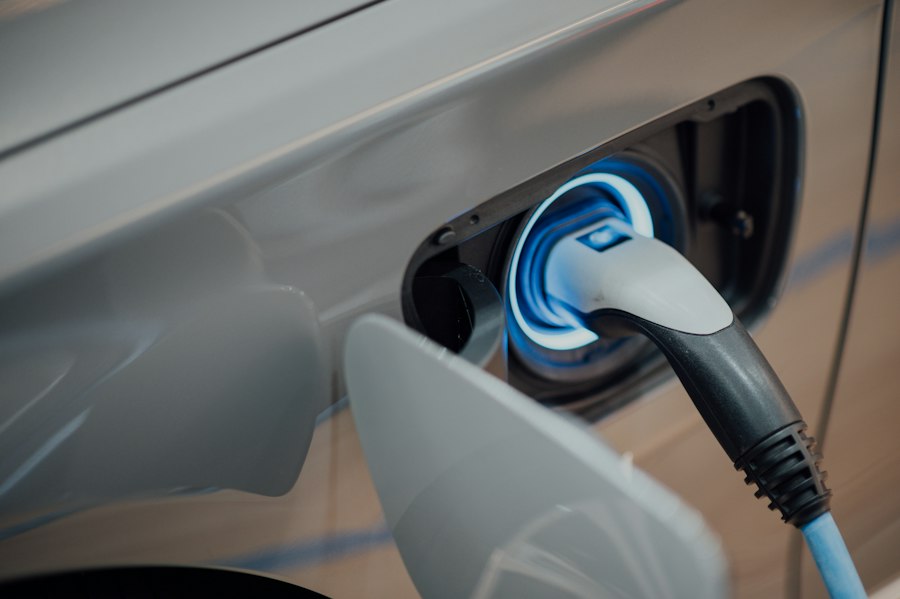
How EVs Differ from Petrol Cars for Cargo
The battery pack in most EVs sits in the floor, beneath the passenger compartment. This raises the floor slightly but means no transmission tunnel hump between rear passengers — making it easier to slide items across the rear footwell. It also means no fuel tank taking up underfloor space.
Most EVs replace the spare tyre (which would normally sit in a well beneath the boot floor) with an inflation kit or run-flat tyres. This is sometimes lamented by owners, but it has a significant benefit: the boot floor is completely flat from the tailgate forward, which is much better for loading large items.
What is a Frunk and How Useful Is It?
A frunk (front trunk) is a storage compartment under the front bonnet — possible in EVs because there's no engine there. Some frunks are very useful (Kia EV6's 20L, Hyundai IONIQ 6's 12L). Some are token-sized and barely fit a laptop bag.
The most valuable use of a frunk is for items you want to keep separate from the main boot: charging cables (which can be wet and muddy from outdoor charging), valuables, groceries, or fragile items that you don't want under luggage.
Popular EV Cargo Comparisons
Tesla Model 3 (Standard)
Frunk
No frunk
Boot
~425L
Seats Down
~1,100L seats down
Compact boot but no spare tyre well means a flat floor. Rear seats fold in a 40/60 split.
Tesla Model Y
Frunk
No frunk
Boot
~854L
Seats Down
~1,900L seats down
One of the largest EV cargo spaces available. Seven-seat version reduces boot to ~315L.
Hyundai IONIQ 6
Frunk
~12L
Boot
~401L
Seats Down
~1,300L seats down
Small but useful frunk. Flat floor with seats down is a key packing advantage.
Kia EV6
Frunk
~20L
Boot
~490L
Seats Down
~1,300L seats down
Generous frunk for an EV. Boot floor is flat with seats folded.
BYD Atto 3
Frunk
No frunk
Boot
~440L
Seats Down
~1,340L seats down
Good value for space. Seats fold flat creating a usable load floor.
MG ZS EV
Frunk
No frunk
Boot
~470L
Seats Down
~1,166L seats down
Competitive boot size. No spare tyre (tyre inflation kit instead) preserves boot floor.
* Figures are approximate and may vary by model year. Always verify with the manufacturer for your specific variant.
EV-Specific Packing Tips
- Cable management: Most EV owners carry at least two cables (home charger and portable emergency cable). A dedicated small bag in the frunk (if available) keeps these out of the main boot and prevents the cable from getting tangled with luggage.
- Weight and range: A fully loaded EV uses more energy than a lightly loaded one. A 200kg (441lb) load in a typical EV reduces range by approximately 10–15%. Factor this into range planning on long trips — if fully loaded, allow for one additional charging stop.
- Charging stop bag: If you're doing a long trip with charging stops, keep a small bag with charging app phone, snacks, and a jacket accessible in the cabin — not buried in the boot you'll unpack at every stop.
- Roof racks and range: Roof racks and cargo boxes cause more aerodynamic drag on EVs than on petrol cars, proportionally reducing range more. A large cargo box at highway speeds can reduce range by 15–25%. Factor this in more aggressively than you would with a petrol car.
Check Your EV's Cargo Capacity
Enter your EV model and planned items into stowey to check what fits and plan your loading layout.
Trip Planner