
DIY Furniture Assembly & Packing Tips for Transport
Most furniture is more transportable than it looks — the secret is knowing what comes apart, how to protect it, and which pieces need special handling. This guide covers the most common furniture types and exactly what to do with each.
9 min read
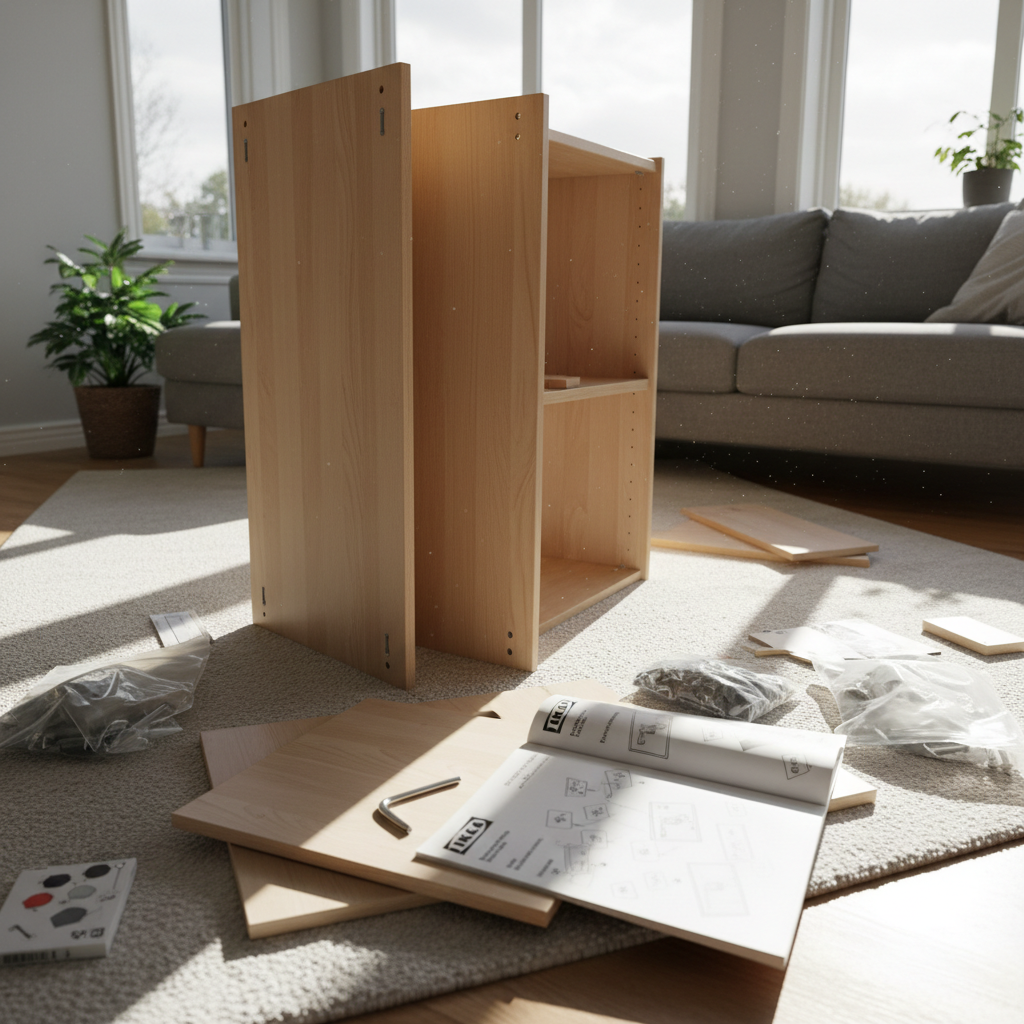
The Golden Rule: Take It Apart
The single most impactful thing you can do before transporting furniture is disassemble it. Assembled furniture is awkward, heavy, and often won't fit through doorways or into cars without damage. Disassembled furniture becomes a collection of flat rectangles and manageable components.
Before moving anything, check for: removable legs (look for screws or bolt-in feet), removable doors and drawers, separable top and base sections (many wardrobes and bookshelves split in half), and flat-pack reassembly options even for shop-bought items.
Furniture by Type
Wardrobes & Tall Bookcases
Remove doors and drawers before moving — they double the weight and can swing open unexpectedly. Wrap glass panels in moving blankets and tape them securely. Most flat-pack wardrobes disassemble in 20–30 minutes with just an Allen key.
Sofas & Armchairs
Legs are almost always removable. Removing sofa legs reduces height by 10–20cm (4–8in), which can make the difference between fitting in a standard hatch and not. Wrap fabric in stretch wrap or moving blankets to protect from scuffs.
Dining Tables
Glass tops must be transported vertically — never flat. Wrap in cardboard and secure with tape. Wooden tables with removable legs become flat rectangles that fit easily in most SUVs and wagons.
Bed Frames
Slats should be bundled separately with cable ties or rope. The headboard is often the most awkward piece — measure its height and width and check your car's boot opening dimensions before loading.
Flat-Pack Boxes (IKEA/Bunnings)
Check the longest dimension. Even very large flat-pack items are usually transportable because their boxes are only 5–15cm (2–6in) thick. A 2m (6ft 7in) bookcase box is fine in most wagons and SUVs with the rear seats down.
Packing and Protection
Once disassembled, protecting surfaces matters. Here's what to use:
- Moving blankets: Best for solid wood and painted surfaces. Fold and secure with rubber bands or tape that won't leave residue.
- Stretch/cling wrap: Excellent for upholstered items (sofas, chairs) — wrap several times to protect fabric from scuffs and keep cushions attached.
- Cardboard sheets: Cut up large boxes to protect flat surfaces like glass and veneer table tops. Secure with tape at the edges.
- Zip-lock bags: All screws, bolts, cam locks, and Allen keys go into labelled zip-lock bags and taped to the item they belong to. Losing a single bolt can mean an unusable piece of furniture.
What to Check Before Loading
Measure your car's boot before you start disassembly, not after. Key measurements:
- Boot length with rear seats folded flat
- Boot width at the narrowest point (usually between wheel arches)
- Tailgate opening height (items must fit through the opening, not just inside the boot)
Compare these against your furniture's disassembled dimensions. Use the stowey calculator to check fit before you even start loading.
Check Furniture Fit Before You Load
Enter your car and furniture dimensions into stowey to instantly check what fits — and get loading order suggestions.
Trip Planner