
How to Measure Items for Car Packing (The Right Way)
"It'll fit" is the most expensive phrase in DIY furniture transport. Whether you're eyeballing a wardrobe at IKEA or estimating whether your new barbecue fits in a hatchback, understanding how to measure correctly can save you a very awkward car park moment.
8 min read
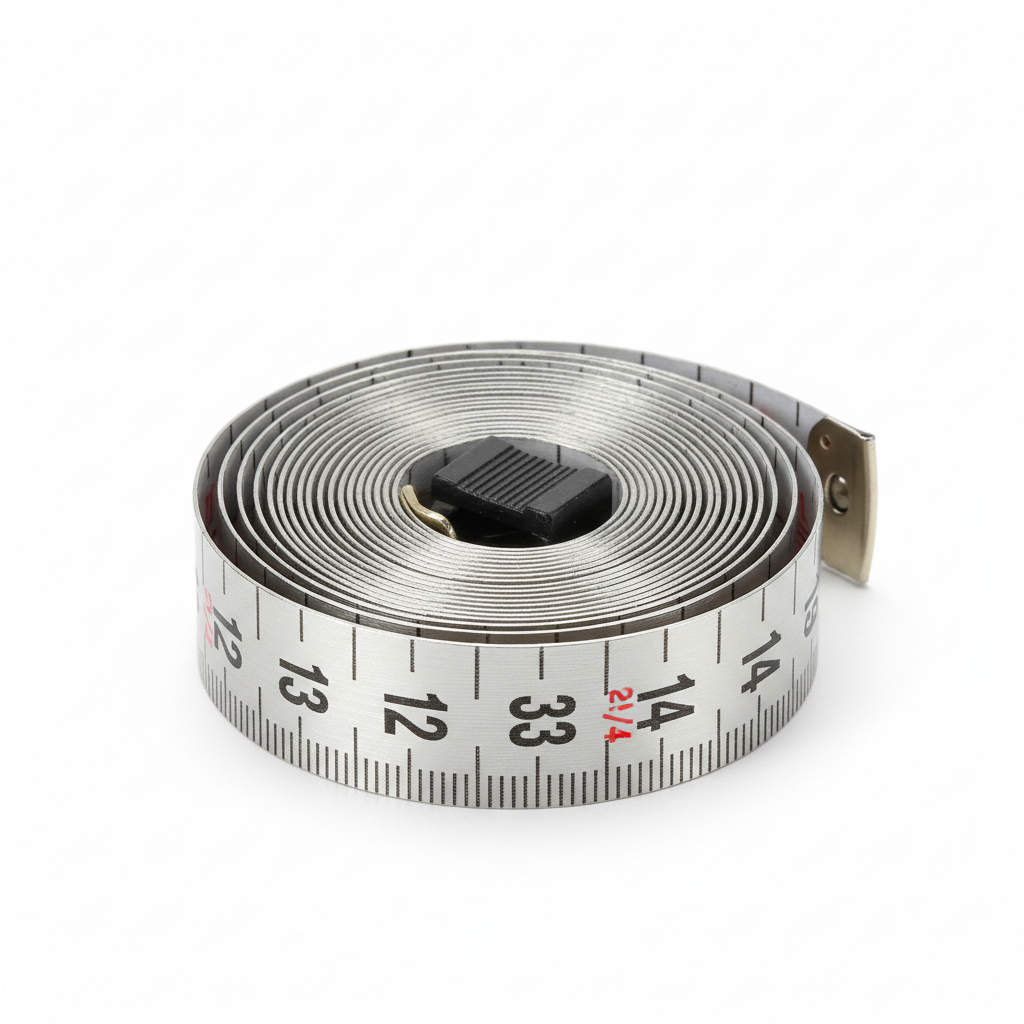
Why Measuring Matters More Than You Think
Human spatial reasoning is notoriously unreliable. Studies in cognitive psychology consistently show that people overestimate how much space is available and underestimate how large objects are in a new context. This is why experienced removalists always measure before they move — and why experienced IKEA shoppers check package dimensions before they go to the store.
The good news: measuring is quick, takes no special skill, and prevents the two most common car packing failures — not being able to close the boot, and not being able to fit an item at all.
Measuring Your Car's Boot Space
Your car's boot has three relevant dimensions that aren't always obvious to measure correctly:
1. Load Floor Length
Measure from the back of the rear seat (when folded flat) to the inside of the tailgate, along the floor. This is the maximum length an item can be while lying flat. In many cars this measurement increases significantly (20–40cm / 8–16in) when the rear seats are folded.
This is your most critical measurement — it determines the longest item you can transport.
2. Load Floor Width
Measure the narrowest point of the boot floor width. In most cars this is between the rear wheel arch intrusions, not at the widest point. Many boots are 10–15cm (4–6in) narrower at wheel arch level than they are at the floor surface.
Use the narrowest width, not the average — items need to fit at the tightest point.
3. Boot Opening Height (Tailgate Aperture)
Measure from the load floor to the top of the boot opening with the tailgate fully open. This is the maximum height of an item that can slide in horizontally — it's often considerably smaller than the interior height once you're inside the boot.
Critical for loading tall items — a box that fits inside the boot might not fit through the tailgate opening.
Measuring Flat-Pack Boxes
For flat-pack furniture from IKEA, Bunnings, or similar stores, you have two options:
- Check the website before you go. IKEA lists package dimensions at the bottom of every product page. Bunnings lists product dimensions, though package dimensions sometimes require checking the individual product barcode page in-store. This is the ideal approach.
- Measure in-store. If you're already at the store, bring a tape measure (or use your phone's built-in measure app). Measure the length, width, and height of the box as it sits on the shelf.
The critical number for flat-pack items is the longest dimension — this determines whether it can fit along the boot floor (with or without the seat down). Even a large flat-pack item is usually fine if the longest dimension is shorter than your car's load floor length with seats down.
Measuring Irregular and Assembled Items
For items that aren't in boxes — furniture you're moving, equipment, appliances — measurement is more involved but just as important:
Sofas and armchairs
Measure at the widest point (usually the arm outer edges), the longest point (including any feet), and the total height. Note whether legs can be removed — this can reduce height by 10–20cm (4–8in) and dramatically changes transport options. Measure doorways and staircases at the destination too.
White goods (fridges, washing machines)
Measure height, width, and depth with doors closed. Note the door hinge side — this can affect how you load it (doors need to open on a specific side). Always secure white goods upright or at no more than 45 degrees — laying them flat can damage compressors.
Bicycles
With the front wheel removed (which takes about 30 seconds), most bicycles become a rectangle of approximately: length = bike length, width = handlebar width (minus the removed front wheel), height = frame height. Most mid-size SUVs can fit two bikes this way with seats folded.
Garden items (potted plants, BBQs)
BBQs are often taller than they appear once assembled. Measure the fully-assembled height with the lid up — this is the critical clearance dimension. Most BBQs also have awkward legs that create a wider footprint than the body alone.
The 5% Rule: Always Allow for Error
Even when measuring carefully, real-world items rarely conform perfectly to their stated or measured dimensions. Packaging may protrude. Handles or hinges may stick out. Items may not sit perfectly flat.
As a rule of thumb, if your item measures within 5% of your car's available space in any dimension, treat it as "might not fit" rather than "definitely fits." For a 200cm (79in) load floor, that means anything over 190cm (75in) should be double-checked. For items that are critical (a heavy wardrobe being transported 50km / 31 miles), measure twice and allow at least 2cm (0.8in) clearance on all sides.
Skip the Measuring Tape
Enter your car model into stowey and we'll use our database of real cargo dimensions. Add your items by name and we'll find their package dimensions automatically. No measuring tape required.
Trip Planner